DookieDocs Blog

Common Yard Parasites: What Every Dog Owner Should Know

Quick answer

Even after you scoop, your yard can harbor parasites like Giardia, roundworms, and hookworms that survive in the soil for months or years. Giardia forms tough protective cysts that thrive in damp conditions. A single female roundworm can produce 200,000 eggs per day, and those eggs can remain infective in soil for three to four years.

Common Yard Parasites: What Every Dog Owner Should Know

Common Yard Parasites: What Every Dog Owner Should Know

You love your dog. You love your yard. You probably don’t love the "gifts" your dog leaves behind, but you deal with them because that’s part of the job. But here is the thing: even after you’ve picked up that mess, the danger hasn't necessarily left the building. Or, in this case, the grass.

In the Capital Region, we take pride in our outdoor spaces. Whether you’re in Albany, Saratoga, or Troy, your yard is where your kids play and where your dog reigns supreme. But there is an invisible world living beneath the surface of your lawn that could be putting your family at risk. We are talking about parasites, the kind that don't just disappear when the poop does.

Your Lawn's Health. Protected. Guaranteed.

When most people think about dog waste, they think about the smell and the mess. They think about the unfortunate moment of stepping in a "landmine" while carrying groceries. But the real concern is what you can't see. Dog waste is more than just a nuisance; it’s a primary carrier for a host of parasites and bacteria that are remarkably resilient.

These aren't just "dog problems." Many of the most common parasites found in pet waste are zoonotic, which is a fancy way of saying they can jump from animals to humans. If your kids are playing tag or rolling in the grass, they are on the front lines. Understanding what is lurking in the soil is the first step toward reclaiming your yard.

What parasites from dog poop can survive in my yard soil?

If you’ve ever had a dog with a "funny stomach," you might have heard of Giardia. It’s one of the most common parasites we deal with in the pet waste removal industry. Giardia isn't a worm; it’s a microscopic parasite that causes a pretty miserable intestinal infection.

The scary part? Giardia survives in the environment by forming "cysts." These cysts are like tiny, armored shells that protect the parasite from the elements. They love the cool, damp climate we often have here in Upstate New York. They can sit in your soil for weeks or even months, just waiting for a host to come along.

Then there are Roundworms. These are the heavy hitters of the parasite world. A single female roundworm can produce 200,000 eggs in a single day. When those eggs hit the ground in dog waste, they don't just die off. In fact, roundworm eggs are so tough they can remain infective in your soil for three to four years. You could stop having a dog tomorrow, and the roundworm eggs from three years ago could still be active in your dirt today.
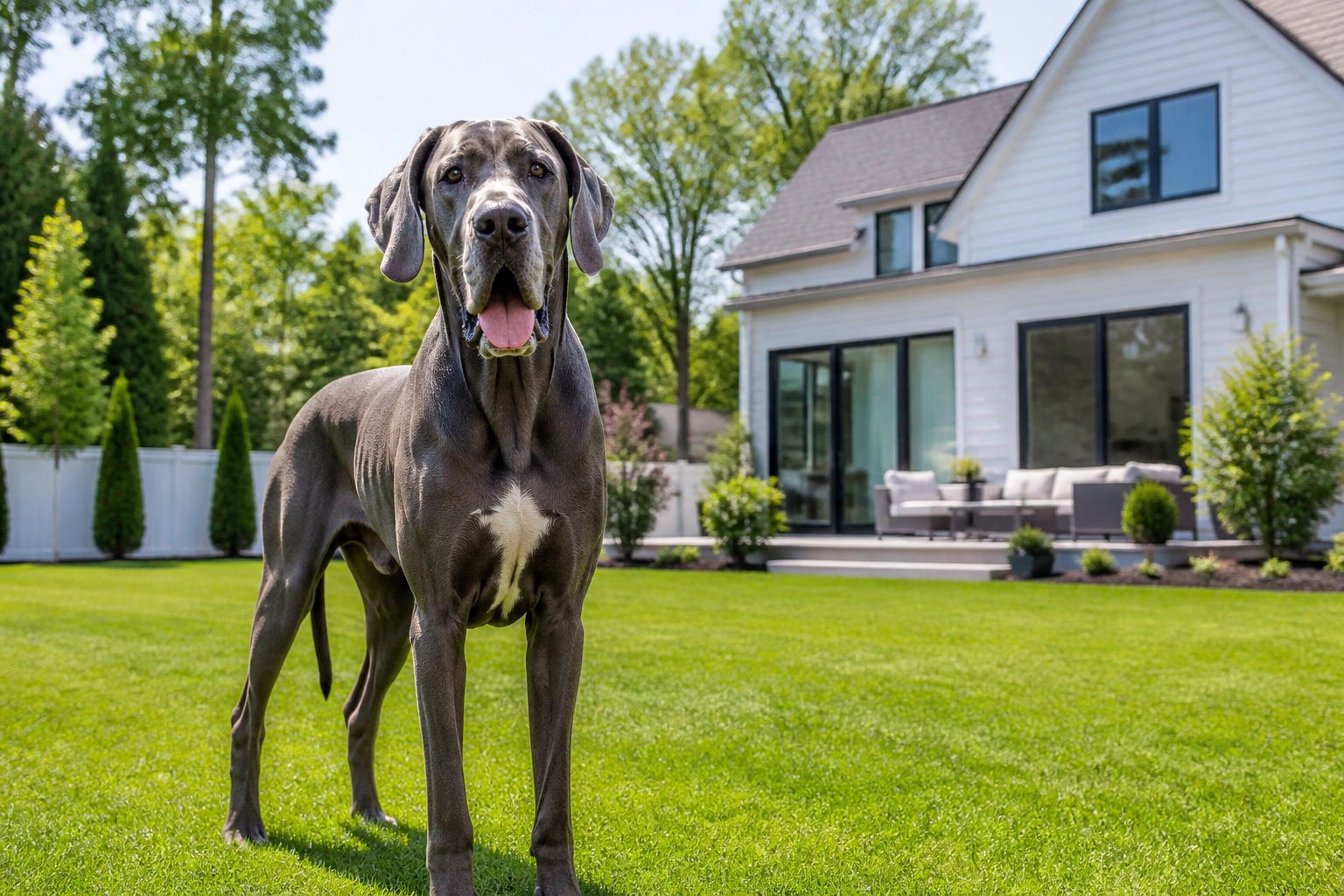
Great Dane in pristine yard

Why Soil is a Sticky Situation

You might think that a good rainstorm or a harsh New York winter would wash away the germs. Unfortunately, it’s often the opposite. Rain doesn't wash parasites away; it helps them settle deeper into the soil or spreads them across a larger area of your lawn.

The eggs and cysts of parasites like Hookworms and Whipworms are designed for survival. They can withstand freezing temperatures and dry spells. When your dog goes back to sniff that "favorite spot" or when you track dirt into your house on your shoes, the cycle of reinfection begins.

This is why "just picking it up" isn't always enough. While removing the physical waste is Step 01, the microscopic residue left behind continues to pose a threat. This is especially true in high-traffic yards or multi-dog households where the concentration of waste is higher. That's where professional yard sanitizing and deodorizing comes in — targeting the residual parasites that standard scooping leaves behind.
Your Yard's Safety. Simplified. Guaranteed.

This is where professional intervention makes the difference. At DookieDocs, we don't just scoop the poop, we focus on the overall health of your outdoor environment. We realized early on that our customers wanted more than just a clean-looking lawn; they wanted a safe one.

Our specialized Yard Sanitizing treatment is designed to address exactly what we’ve been talking about. We use an environmentally friendly, pet-safe solution that neutralizes harmful bacteria and viruses on contact. It’s the "extra mile" that turns a tidy yard into a healthy one.

Step 01: Professional Scooping

The process starts with a thorough clearing. Our specialists move through your yard with a professional eye, ensuring every bit of waste is bagged and removed. We bag everything and place it in your own trash bin by default — or haul it off-site at no extra charge if you prefer it leave your property entirely.

Step 02: Targeted Sanitizing

Once the yard is clear, we apply our sanitizing treatment. This isn't a harsh chemical dump that will ruin your grass. It’s a precision application that focuses on the areas where bacteria and parasites are most likely to linger. It works to eliminate the "invisible" threats like Giardia and E. coli, giving you actual peace of mind.

Step 03: Deodorizing

As a bonus, our sanitizing process also includes a deodorizing agent. This doesn't just mask smells with a heavy perfume; it neutralizes the odor-causing molecules. The result is a yard that smells like... well, a yard. Fresh, clean, and ready for a summer BBQ.

Professional scooper close up

The DookieDocs Difference: Local Care, Real Proof

We know you have choices when it comes to yard care. That’s why we’ve built DookieDocs on a foundation of transparency and zero-stress service. We are locally owned and operated right here in the Capital Region. When you call us, you aren’t talking to a call center halfway across the country; you’re talking to neighbors — the same team that handles pooper scooper service in Troy and communities throughout the Capital Region — who know the difference between a Saratoga summer and an Albany winter.

One of our most popular features is our "photo proof" service. We know you’re busy. You might not even be home when we visit. To give you total confidence, we text you a photo of your secured gate and your clean yard as soon as we finish the job. It’s our way of saying, "We were here, and your yard is ready for play."

No Contracts. No Hassle. Just Clean.

We don't believe in trapping our customers. Our "no contract" policy means you stay with us because you love the service, not because a piece of paper says you have to. You can cancel, pause, or change your schedule anytime.

  • 100% Satisfaction Guarantee: If you aren't happy, we’ll make it right.
  • Cancel Anytime: Total flexibility for your busy life.
  • Locally Owned: Supporting the local NY economy.
  • Signature Photo Proof: Real-time confirmation of every visit.

Your Family's Health. Priority One. Guaranteed.

At the end of the day, your yard should be a sanctuary, not a source of stress. By understanding the risks of parasites and taking proactive steps to sanitize your soil, you’re protecting your pets and your family from unnecessary illnesses.

Whether you have a tiny Corgi or a massive Great Dane, the waste, and the microscopic risks, are real. Let us handle the dirty work so you can get back to enjoying the best of what the Capital Region has to offer.

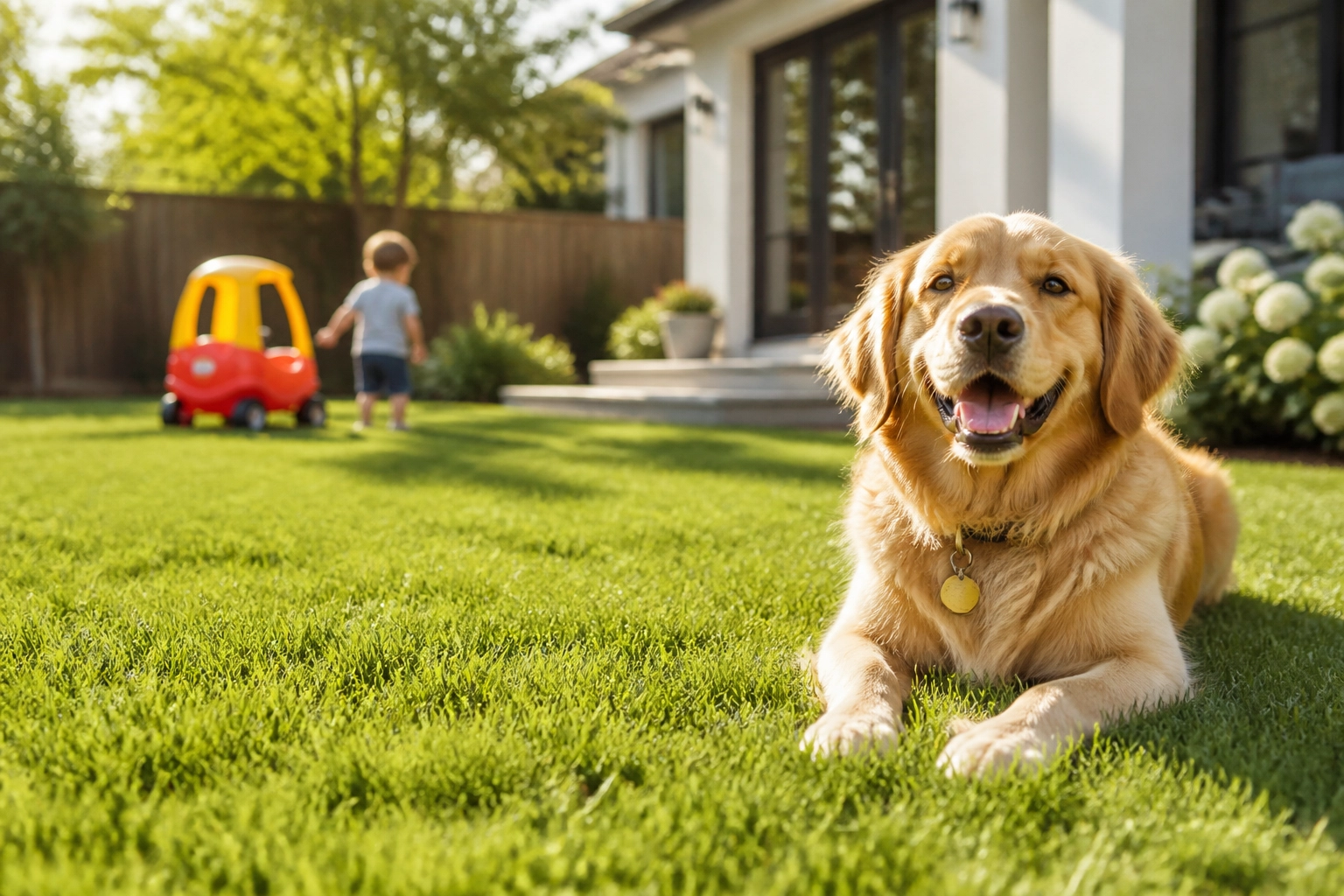
Safe family backyard

Frequently Asked Questions

Is the sanitizing solution safe for my dog? Absolutely. We use a pet-safe, eco-friendly solution that is designed to be tough on germs but gentle on paws and paws-to-be. You can let your dog back out in the yard shortly after we finish.

How often should I have my yard sanitized? While our standard scooping keeps the mess at bay, we recommend sanitizing at least once a month for most households. If you have multiple dogs or young children who play in the grass frequently, every-other-week treatments offer the best protection.

Do you really take the poop with you? Yes. We bag all waste and place it in your own curbside bin by default. If you'd rather it leave your property entirely, we haul it off-site at no extra charge — just share your preference at sign-up.

What if it rains right after you sanitize? Our solution is designed to penetrate the surface and work quickly. While a massive downpour immediately after application isn't ideal, normal light rain won't compromise the effectiveness of the treatment.

Do I need to be home for the service? Nope. Most of our customers are at work or running errands. As long as we have access to your yard, we’ll get the job done and send you the photo proof before we even leave your driveway.

Ready to reclaim your yard? Schedule your first scoop and sanitize with DookieDocs today!

Frequently asked questions

How long can roundworm eggs survive in yard soil after I clean up dog poop?
Roundworm eggs can remain infective in soil for three to four years. Cold New York winters do not kill them — eggs survive freezing temperatures and go dormant, waiting for a new host. You could stop having a dog today and the eggs from several years ago could still be active in your dirt.
Can Giardia from dog poop survive in my backyard soil?
Yes. Giardia survives by forming protective cysts — tiny armored shells that shield the parasite from the elements. These cysts thrive in cool, damp soil like the kind common in Upstate New York winters and spring thaws. They can persist in a yard for weeks to months and infect both dogs and humans.
Which yard parasites from dog waste can also infect humans?
Several common dog-waste parasites are zoonotic — they can transfer from dogs to people. Roundworms and hookworms can be ingested through contact with contaminated soil; children who play in the dirt are at highest risk. Giardia causes intestinal distress in humans as well as pets. This is why removing the physical waste is only step one; sanitizing the soil addresses what remains.