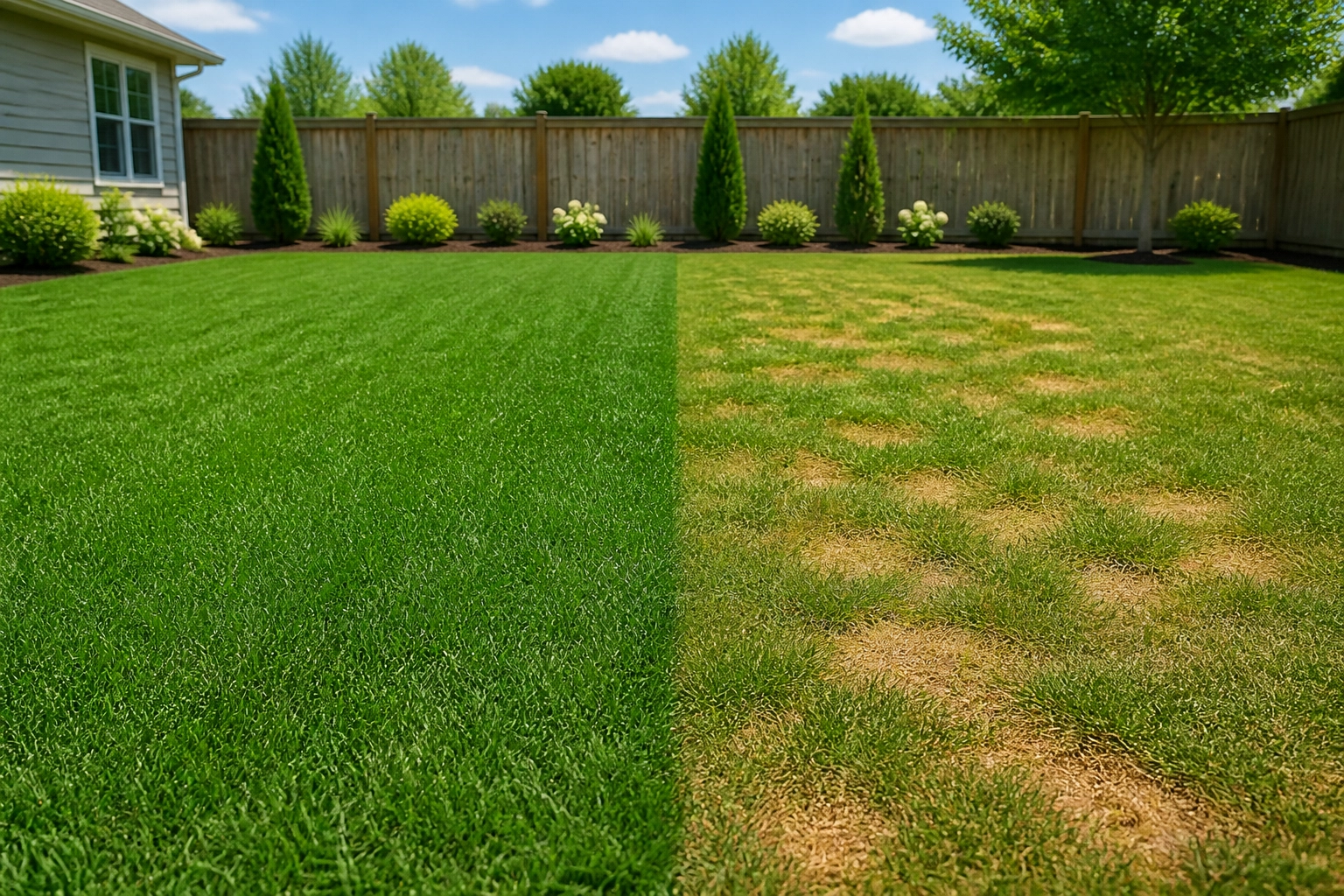
Why Dog Poop is Actually Killing Your Grass You love your dog. You love your yard. But for some reason, those two things just can’t seem to get along. You look out the window at your beautiful Capital Region lawn, and instead of a lush green carpet, you see a minefield of yellow patches and brown circles. It’s frustrating, it’s ugly, and contrary to what your neighbor might have told you, it’s not "free fertilizer."
At DookieDocs, we hear it all the time. "Isn't poop good for the grass?" The short answer is a hard no. In fact, leaving dog waste on your lawn is essentially like pouring high-strength chemical cleaner directly onto your grass roots. It’s not helping; it’s harming. If you want to save your yard and keep your family safe, it’s time to look at the science behind the "burn."
We are here to pull back the curtain on why Fido’s business is ruining your curb appeal and how professional pooper scooper services can actually save your soil. Your lawn. Green. Guaranteed.
The Fertilizer Myth Debunked
Let’s clear this up once and for all: Dog poop is not manure. When you think of manure, you’re likely thinking of cows or horses. Those animals are herbivores. They eat grass, hay, and grain. Their waste is processed plant matter, which is relatively low in nitrogen and rich in the types of nutrients that soil loves.
Dogs, however, are carnivores (or at least fancy themselves as such). They eat protein-rich kibble, treats, and the occasional steak scrap. High-protein diets result in waste that is incredibly high in nitrogen and acidic compounds. While a little nitrogen is good for grass, the concentrated dose found in a single "deposit" is enough to chemically burn the plant.
When you leave that waste to sit, you aren't feeding your lawn. You’re suffocating it. Yard cleanliness isn't just about how things look; it’s about the biological health of your outdoor living space.
Step 01: The Nitrogen Overload
The primary reason dog poop kills grass is a phenomenon known as nitrogen burn. Grass needs nitrogen to grow, which is why it’s a main ingredient in most store-bought fertilizers. However, there is a very fine line between "just right" and "way too much."
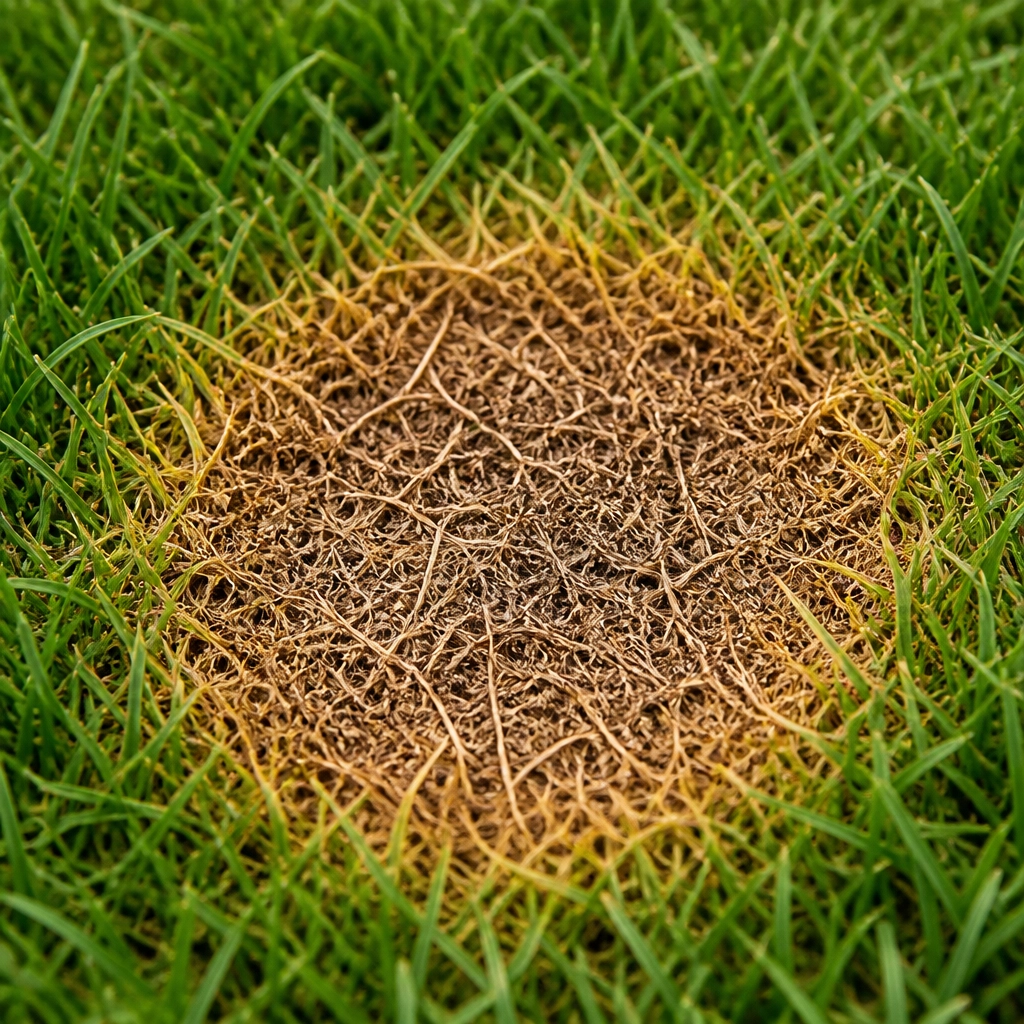
When a dog leaves waste in one spot, that area receives a massive, concentrated dose of nitrogen all at once. It’s the equivalent of taking a whole bag of fertilizer and dumping it on one square inch of grass. The nitrogen pulls moisture away from the grass blades and roots, causing them to dehydrate and die.
You can actually see this process happening in three distinct stages: 1. The Dark Green Ring: Initially, the grass around the waste might look taller and darker green. This is the grass trying to process the extra nitrogen. 2. The Yellowing: As the concentration becomes too high, the grass begins to stress and turn yellow. 3. The Brown Patch: This is the final stage. The grass is dead. The nitrogen has officially "burned" the life out of the plant.
Step 02: The Acidity Factor
It’s not just the nitrogen that’s the problem. Because of their protein-heavy diets, dog waste is also highly acidic. This acidity can rapidly change the pH level of your soil. Most lawn grasses thrive in a slightly acidic to neutral pH (around 6.0 to 7.0).
When dog waste sits on the lawn, the acids leach into the ground, throwing the soil chemistry out of whack. Once the soil becomes too acidic, it becomes a hostile environment for grass roots. Even if you remove the poop later, the soil underneath may remain damaged for months, making it nearly impossible for new grass to grow without significant grass restoration efforts.
Step 03: Soil Suffocation and Fungi
Beyond the chemistry, there is the physical reality of a pile of waste sitting on your lawn. It’s heavy, it’s moist, and it’s dense. This creates a "smothering" effect. By covering the grass, the waste blocks sunlight and prevents air from reaching the blades.
This dark, damp environment is a breeding ground for lawn fungi and mold. If you’ve ever seen a white, fuzzy substance on your grass after removing an old pile of waste, you’re looking at a fungal infection. These fungi can spread to the healthy parts of your lawn, leading to even larger dead zones.
At DookieDocs, we don't just pick up the waste; we offer specialized Yard Sanitizing to kill off these microscopic threats before they take over your yard.
Step 04: The Pathogen Threat
This is where things get serious for your family. While nitrogen burn kills the grass, the pathogens in dog waste can hurt you. Dog waste is a primary carrier of bacteria and parasites that can live in your soil for years.
We’re talking about the nasty stuff: E. coli, Salmonella, and Giardia. There are also parasitic hitchhikers like roundworms and hookworms. These don't just vanish when the poop disappears. They seep into the ground. If your kids are playing tag or your dog is rolling around in the yard, they are coming into direct contact with these health hazards.
Professional removal is the only way to ensure these contaminants are bagged, sealed, and taken off-site. We don’t just move the problem; we eliminate it.
Dog Poop vs. Cow Manure: The Great Fertilizer Myth
We mentioned this earlier, but it’s worth repeating because the myth is so persistent. People see a green field with cows and assume their dog is doing the same favor for their backyard.
Cows:
- Diet: Grass and hay.
- Waste: Low nitrogen, high organic fiber.
- Effect: Slow-release fertilization that builds soil structure.
Dogs:
- Diet: Meat, protein, processed kibble.
- Waste: Extreme nitrogen, high acidity, high salts.
- Effect: Rapid chemical burn and soil contamination.
Comparing the two is like comparing a gentle rain to a pressure washer. One helps things grow; the other blasts them away. If you want your lawn to look like a golf course, you need to treat it like one, and that starts with removing the toxins.
The DookieDocs Restoration Plan
Keeping a yard clean in the Capital Region shouldn't be a part-time job for you. You’re busy, and frankly, you have better things to do than hunt for "surprises" in the tall grass. That’s where we come in. We make grass restoration and maintenance simple.
Our process is designed for maximum efficiency and zero stress:
- Step 01: We arrive on your scheduled day (no need for you to be home).
- Step 02: We perform a thorough, grid-pattern sweep of your entire yard.
- Step 03: We bag and double-seal all waste for off-site disposal.
- Step 04: We text you "photo proof" of your clean, locked gate so you know the job is done.
We operate with no contracts and no hidden fees. You can cancel or pause your service at any time. We’re so confident you’ll love the results that we offer a 100% satisfaction guarantee. If you aren't happy, we’ll come back and re-scoop for free.
Why Our Neighbors Love Us
We aren't some giant national franchise. We are locally owned and operated right here in the Capital Region. We know the local grass types, the local weather, and the local needs of our fellow dog owners. Our reputation is built on being the most reliable professional pooper scooper in town.
Our customers love the peace of mind that comes with a "poop-free" yard. They love that their kids can run barefoot without a care in the world. And they love that their grass finally has a chance to grow back thick and green.
Frequently Asked Questions
Will my grass grow back on its own after you start service? In many cases, yes! Once the constant influx of nitrogen and acid is stopped, the soil can begin to heal. However, if the spots are completely brown and dead, you may need to rake out the dead thatch and toss down some new seed.
How often should I have my yard scooped? For most households with one or two dogs, a weekly visit is the "gold standard" for maintaining yard cleanliness. If you have more dogs or a smaller yard, twice-weekly service might be better to prevent the "burn" from happening between visits.
Is the Yard Sanitizer safe for my pets? Absolutely. We use pet-friendly, environmentally safe treatments that neutralize odors and kill bacteria without harming your furry friends or your family. You can let the dogs out just minutes after we finish.
What happens if it rains? We scoop in most weather conditions! Rain actually makes it even more important to get the waste out of the yard before it dissolves and washes those pathogens into the local water table.
Get Your Green Back Today
You don’t have to live with a yellow, patchy yard. You don’t have to spend your Saturday mornings with a bucket and a shovel. Let the specialists at DookieDocs handle the dirty work so you can get back to enjoying your outdoor space.
Ready to see the difference a professional clean can make? It takes less than two minutes to get started. No long-term commitments, just a clean yard and a happy dog.
Request your service now and experience the DookieDocs difference.
Call DookieDocs 518-888-7530